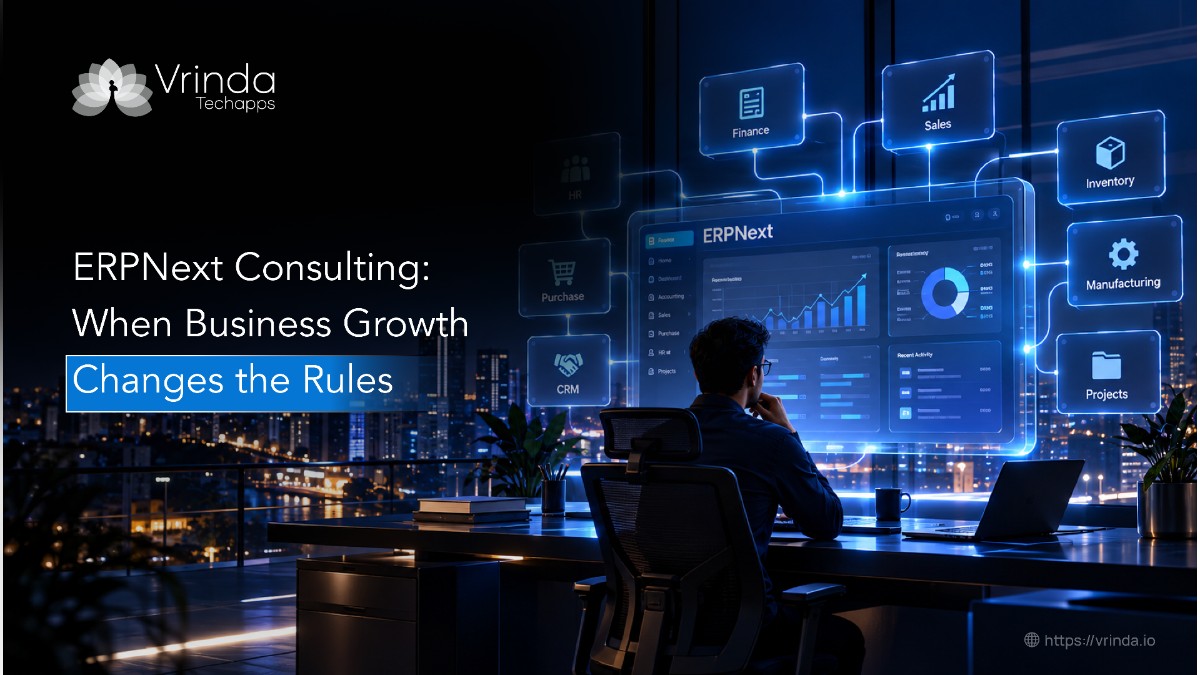







Modern operational experiences powered by ERPNext systems, Flutter applications, and intuitive UI/UX built for enterprise digital environments, designed to simplify workflows, improve operational visibility, create connected user experiences, and support seamless digital operations across modern organizations.
Advanced AI and Generative AI platforms built to streamline operations, automate workflows, deliver predictive insights, and improve modern digital business performance.
User-centred digital experiences designed to enhance usability, simplify interactions, support problem-solving, and deliver intuitive interfaces across mobile, web, and enterprise platforms.
Flutter-powered mobile applications developed with scalable technology focused on speed, reliability, user retention, seamless cross-platform experiences, and long-term usability.
Cloud-native infrastructure and deployment platforms designed for performance, security, operational stability, and seamless scalability as business demands evolve.
Integrated ERP ecosystems that streamline workflows, centralize operations, improve visibility, and reduce complex business processes across teams and departments.
AI platforms, ERP ecosystems, Flutter applications, and digital experiences delivered across modern industries and operational environments.
AI, Industry Vision and Insight Next-Gen AI Infrastructure and Intelligence solutions for Predictive Automation, Real-time Monitoring and Adaptive Operational Visibility worldwide.
Where scalable financial ecosystems and transactional platforms provide frictionless money transfer, speedier approvals and seamless digital banking engagement.
Connected healthcare ecosystems offer patients a platform to conveniently consult, smarter diagnostics & responsive care delivery across communities, daily.
Help scale commerce ecosystems and consumer platforms for smart product discovery, loyalty interaction and seamless shopping journeys across markets daily..
Discovery platforms provide interactive learning environments to explore, access and connect with digitally in meaningful ways for all audiences wherever they are.
Modern infrastructure ecosystems and the sustainability industry require operational transparency and adaptive performance across evolving industrial environments.
Our structured approach delivers focused solutions, ensuring every project achieves its intended goals.We prioritize clear communication, adaptable strategies, and rigorous testing for reliable product outcomes.
Understanding business needs, operational challenges, and technical expectations before defining the right product direction.
We translate strategic insights into high-impact digital experiences – designing systems and interfaces that align creativity with usability, scalability, and business outcomes.
Targeted execution and scalable product supply for long-term operational stability and business continuity of steady deployments
A closer look at the products, platforms, and experiences developed for modern businesses across industries
High-performance micro-services architecture for real-time loan processing, ensuring seamless operations during peak demand.
AI-driven analytics platforms built to enhance operational visibility, optimise workflows, and enable smarter business decisions.
Comprehensive digital healthcare platform for online consultations, medicine orders, diagnostics, and accessible care anytime, anywhere.
Working with communities and partners to improve education, health, and livelihoods while creating sustainable social change.
Explore a wide range of certified gold bars and elegant jewelry with trusted purity standards and secure digital purchasing.
Empowering schools with an advanced management system for admissions, academics, attendance, and efficient communication across the institution.
Delivering clean wind energy through advanced turbine technology, large-scale wind farms, and efficient power generation for a sustainable future.
A modern digital platform that helps users access financial advisory services, real-time assistance, and secure financial planning tools.
A lightweight and secure UPI payments solution designed for fast transactions, smooth integrations, and a simplified digital payment experience.
A mobile-first grocery app that simplifies product discovery, enhances loyalty rewards, and delivers a smooth checkout experience.
A digital platform designed to connect parents with trusted childcare providers using location-aware listings and real-time availability.
Integrated with leading AI models to enable intelligent automation, predictive decision-making, operational efficiency, and connected digital experiences across modern platforms.


Modern frameworks, intelligent infrastructure, and production-ready technologies selected to support performance, usability, security, and seamless digital operations across platforms.
Advanced AI infrastructure and machine learning technologies designed for intelligent automation, predictive analytics, workflow optimization, and modern operational intelligence.

Modern frontend frameworks & responsive technologies focus on usability, performance & seamless digital user experiences across platforms.

Flutter-powered mobile applications & native technologies developed for speed, reliability, and seamless cross-platform experiences.

User-focused design systems and prototyping tools crafted to simplify interactions, improve usability, and create intuitive digital product experiences.

Robust backend technologies and API-driven architectures designed for operational efficiency, secure data handling, and reliable application performance.

Cloud-native infrastructure and deployment technologies built for operational stability, security, scalability, and seamless digital product performance.

Our capability map spans every layer of the modern technology stack – ready to deploy where you need us most.
We design and develop advanced AI-driven systems that help businesses automate workflows, optimize decision-making, and create scalable digital experiences for the future.
Autonomous AI systems designed to coordinate multi-step reasoning, automate operations, and streamline complex enterprise decision-making workflows. Built for intelligent orchestration across modern digital ecosystems.

Secure, fine-tuned language models built for enterprise knowledge systems, private workflows, and domain-specific AI intelligence. Designed for scalable AI adoption with enterprise-grade security and control.

Real-time computer vision systems engineered for intelligent monitoring, object detection, validation workflows, and industrial automation. Optimized for accuracy, speed, and real-world operational environments.

AI-powered predictive systems that transform operational data into actionable insights, forecasting models, and intelligent business decisions. Helping organizations improve efficiency through data-driven intelligence.

With over 12 years of history in high-stakes enterprise environments, Vrinda Techapps has redefined technical delivery. We don’t just provide solutions; we engineer the evolution of the world’s most critical industrial sectors.
Founded
SYSTEM UPTIME

Vrinda is a global technical collective dedicated to precision software architecture and digital evolution. We blend abstract innovation with technical reality to deliver high-fidelity ecosystems for visionaries.
We build with clarity, structure and intent.
Distributed teams, Unified standards.
Impactful solutions, delivered on time.
Enterprise-grade engineering built on security, scalability, and strategic partnership – delivering systems that perform under real-world demands.
Engineering built on GDPR and ISO 27001 compliance standards.
Strategic technical advisors, ensuring tech scales with your business ROI.
Specializing in mission- critical systems where the cost of failure is high.
High-performance teams delivering from Hyderabad to Florida.
Vrinda brought operational thinking into every technical decision. Their execution quality, speed, and product understanding made them feel like part of our internal team
Co-Founder

I have partnered with Vrinda Techapps to create several projects including Writer’s Outlet which has over 100000 downloads on both iOS and Android. They can do anything and cater to the needs of their clients. I highly recommend Vrinda Techapps.

hey did a great Job on the App Development for Medigin

We take pride in delivering exceptional digital experiences that drive results and build long-term partnerships.
_____


Enterprise-grade engineering built on security, scalability, and strategic partnership – delivering systems that perform under real-world demands.
Creating intelligent systems, scalable platforms, and digital experiences designed for long-term business impact.